
How a Physical Barrier Stops Bed Bugs in Their Tracks
Bed bugs are crafty, hardy pests that hide in seams, crevices, and furniture and can quickly turn restful nights into a recurring nightmare. While many removal strategies rely on chemicals or heat, a physical barrier provides a practical, chemical-free approach to both immediate protection and long-term control. Below we explain, at a high level, how a physical barrier works, why it’s effective, and why it’s an important tool in modern bed bug prevention.
Why physical barriers make sense for bed bug control
A physical barrier works by cutting off a bed bug’s access to its food source. Bed bugs must feed on blood to reproduce and survive; if they cannot reach a sleeping host, they cannot complete their life cycle. Unlike chemical treatments that attempt to kill on contact, a well-designed barrier prevents feeding and forces the insects into a starvation pathway that reduces populations over time. This containment-first approach addresses both short-term relief (no more bites) and long-term eradication.
The biology behind the barrier effect
Bed bugs typically feed every few days and hide close to where humans sleep. By interposing a non-climbable surface between the insect hiding areas and the host, you interrupt that feeding schedule. Over weeks and months, unfed bed bugs become less active, fail to molt or reproduce, and their numbers decline. Because adults and older nymphs can survive for months without a meal under some conditions, a barrier must be part of a consistent strategy—but it’s a strategy that delivers measurable reduction without introducing toxins into the home. Authoritative sources note bed bugs’ ability to survive for extended periods without feeding, underscoring why a sustained barrier approach is often necessary.
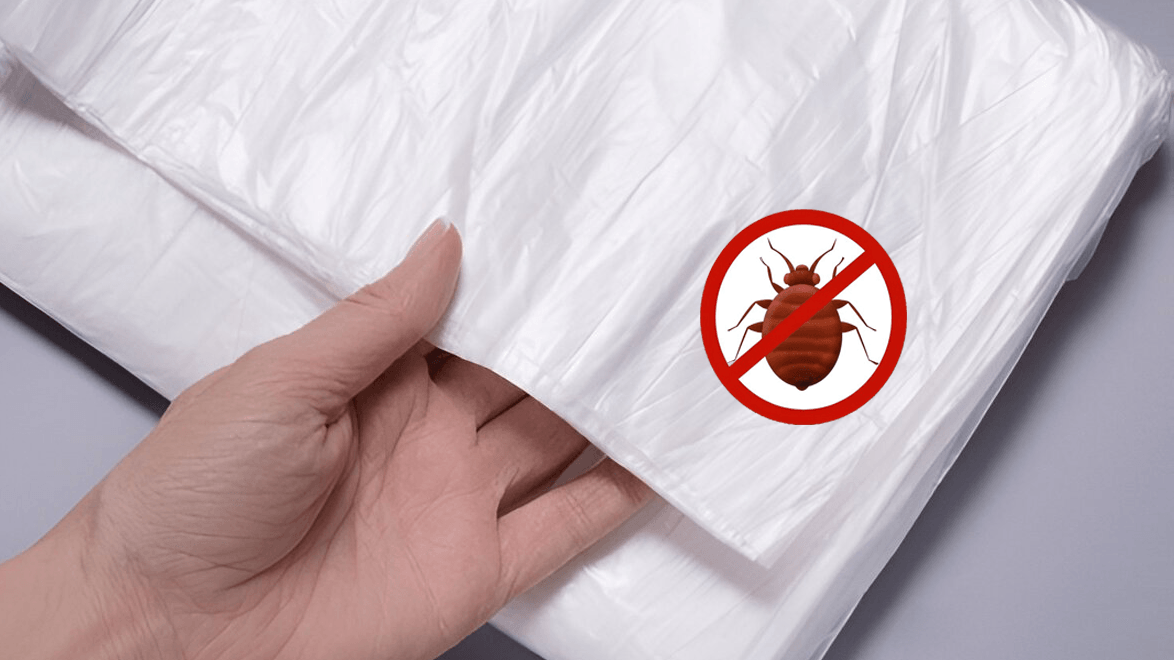
Smooth surfaces reduce climbing ability for bed bugs. Plastic eliminates this ability.
Why a slip-resistant or slick surface matters
Not all materials perform the same. Bed bugs are excellent climbers on rough or fibrous surfaces, but they struggle to gain purchase on very smooth, slick surfaces. A barrier that presents a surface they cannot climb acts as an immediate physical blockade—stopping bites the moment it’s in place. This is why many preventive products (and DIY barrier strategies) use smooth materials to break the insects’ access to the host. The result is fast relief for sleepers and a practical way to segment an infestation area.
How barriers fit into modern pest management thinking
Pest control professionals increasingly recognize that single-method treatments often fail because bed bugs hide in many locations and can develop resistance to chemical agents. Combining tactics improves outcomes: use barriers to block feeding, use monitoring to detect residual activity, and apply targeted treatments only where needed. Reviews of control technologies emphasize integrated approaches rather than blanket reliance on pesticides—barriers are a logical, low-risk element of that mix.
Benefits of a barrier-based approach
Immediate protection: Prevents bed bug bites as soon as the barrier is installed.
Chemical-free: Safe for homes with children, pets, or sensitive occupants.
Low cost: Barriers are inexpensive compared with repeated chemical treatments or professional heat services.
Sustainable: When used consistently, barriers help drive long-term population decline without ongoing toxic exposure.
Common misconceptions and realistic expectations
A barrier is not a magic bullet that removes every hidden bug overnight—bed bugs can hide throughout a room and survive for months under favorable conditions. However, by preventing feeding and combining barrier use with basic hygiene and monitoring, you can both stop bites immediately, significantly reduce, and ultimately eliminate the infestation over time - usually within weeks or several months. It’s also worth noting that because bed bugs have developed resistance to some pesticides, physical methods are becoming a more attractive and reliable option for many households.
Where this approach fits for DIYers and renters
For people who need a practical, low-disruption option—renters, families with pets, and budget-conscious homeowners—a barrier-based method offers a realistic path forward. It eliminates immediate harm (no more bites starting from the first night) without the need for evacuation, heavy chemical exposure, or expensive heat treatments. Accessibility, cost-effectiveness, easy installation, and a dual treatment and prevention strategy are the reasons many homeowners choose a physical barrier approach like The Plastic Drop Sheet Method.

A barrier-based method for bed bug eradication offers a more realistic and effective path forward for renters.
Proof points and success indicators (what to watch for)
Night-one difference: Most users notice fewer or no bites immediately after a functional barrier is in place.
Steady decline: Over weeks to months, the frequency of sightings and bites should drop as unfed bed bugs decline in number.
Continued monitoring: Periodic checks for activity help confirm progress and determine whether follow-up action is required.
Want to learn more?
If you’re curious about how a well-designed barrier is implemented safely and effectively, our The Plastic Bed Bug Removal Miracle eBook explains the reasoning, the science, full step-by-step guidance, and the practical considerations—without the confusion and trial-and-error. The guide focuses on making the barrier approach reliable for any bedroom setup and includes timelines, monitoring tips, and real-world case examples. Visit our eBook page to learn more and get instant access.
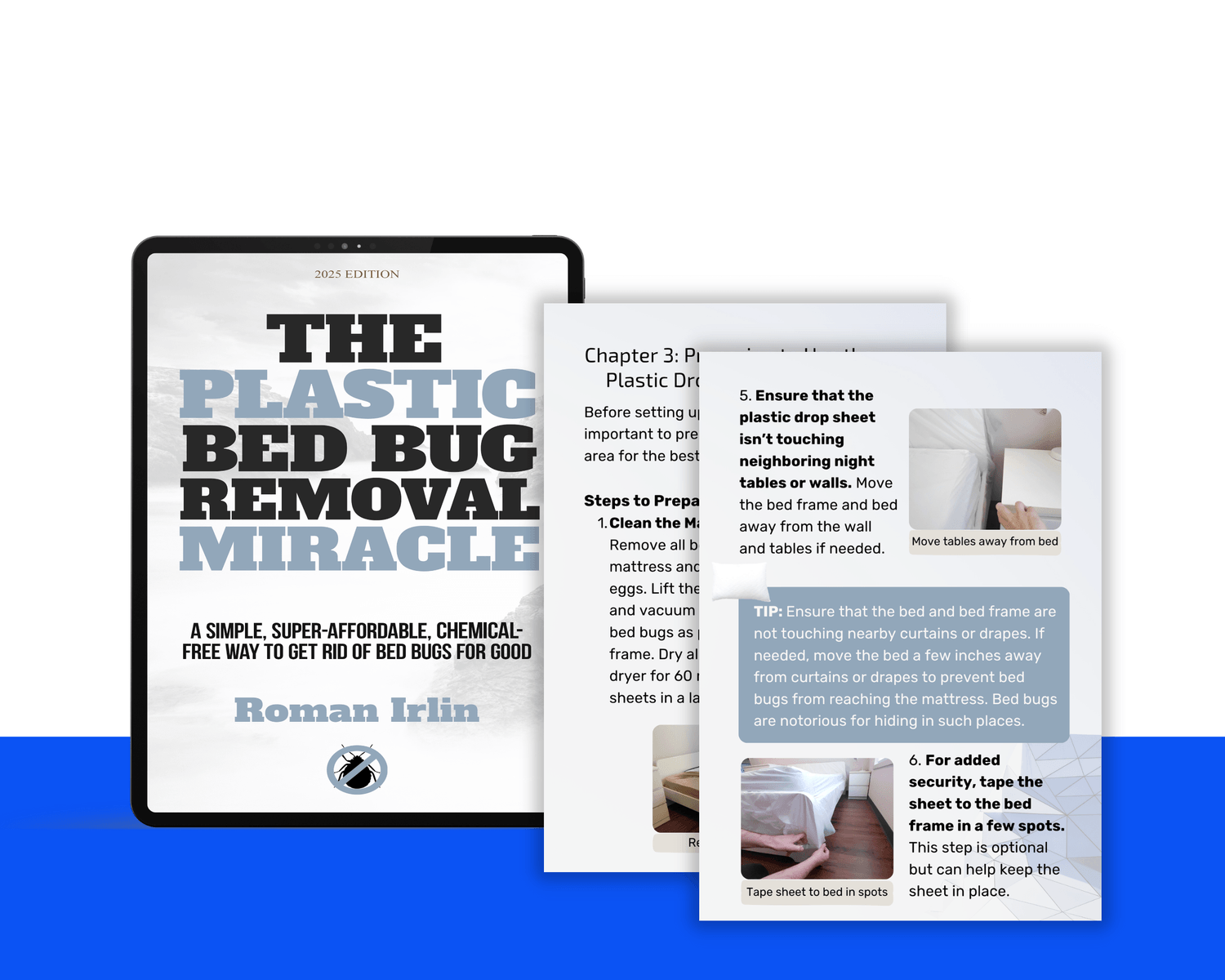



Stay informed with valuable bed bug treatment and prevention tips using the Plastic Drop Sheet Method delivered straight to your inbox.
Copyright © 2025 Plastic Drop Sheet Method
Copyright © 2026 Plastic Drop Sheet Method. All Rights Reserved.